Midterm voters haven’t seen this many housing proposals on the ballot in 20 years
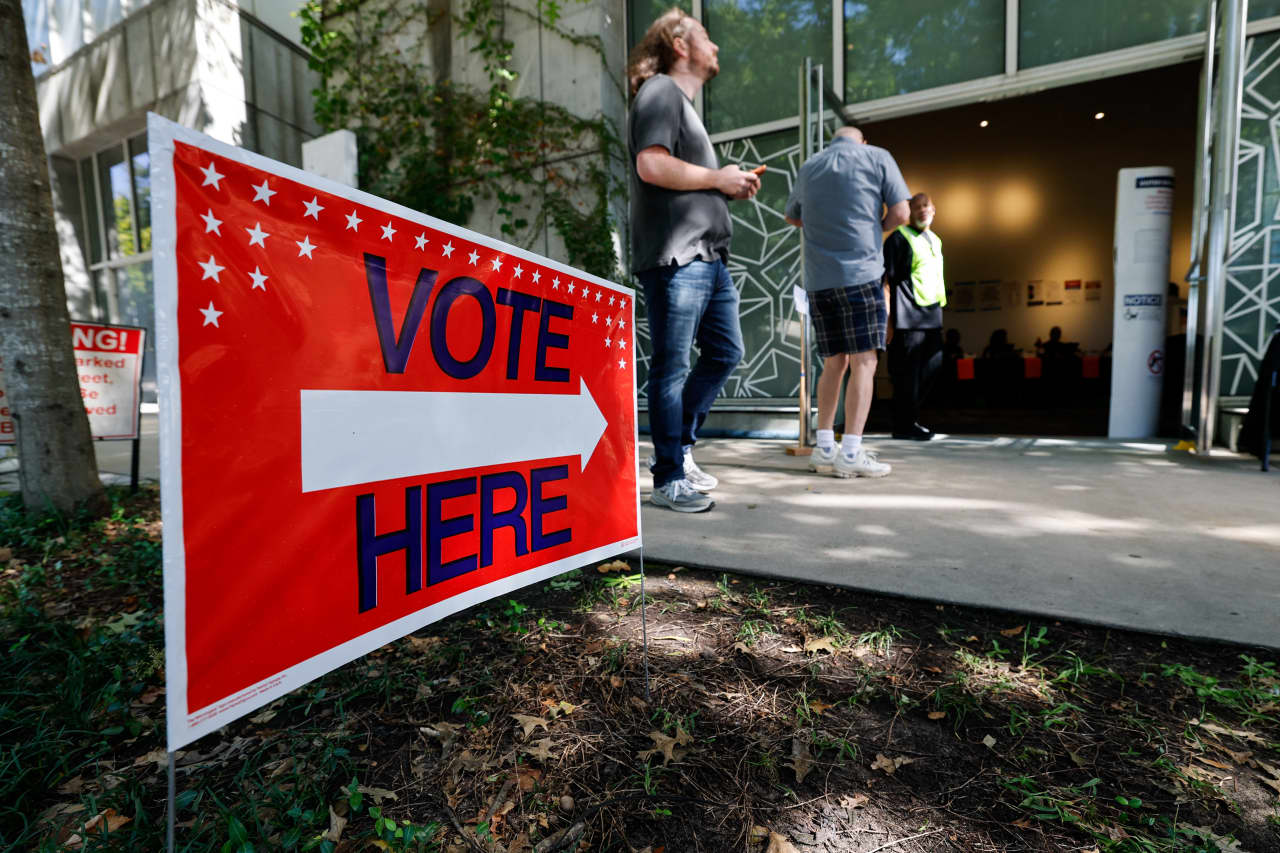
Ballot measures aim to fix the housing crisis in various ways, from making it easier to build new homes, to cutting property taxes.
The surge in housing proposals on the midterm ballots reflects the growing concern over the housing crisis in the US. With many regions experiencing severe shortages of affordable housing, voters are being asked to consider a range of solutions, from streamlining the development process to providing financial incentives for builders. This trend is significant for the finance and markets sector, as it could lead to increased investment in construction and development, potentially boosting the economy.
The variety of proposals on the ballot also highlights the complexity of the housing crisis, which is driven by a combination of factors, including zoning regulations, labor shortages, and financing constraints. By addressing these issues, the proposed measures could help unlock new sources of funding for housing projects, such as bonds and tax credits. Additionally, some measures aim to reduce property taxes, which could have implications for municipal budgets and the broader bond market.
As the midterm elections approach, investors and market watchers will be closely monitoring the outcomes of these ballot measures. A positive reception from voters could signal a shift in policy priorities, potentially leading to increased investment in the housing sector. Conversely, a rejection of these proposals could indicate that voters are skeptical about the proposed solutions, potentially leading to continued uncertainty in the market. Either way, the results will provide valuable insights into the direction of housing policy and its potential impact on the finance and markets sector.
Originally reported by marketwatch.com. FundingWire adds analysis for finance & markets readers.