Taking Ozempic? A routine eye exam could help you understand your risk for vision loss.
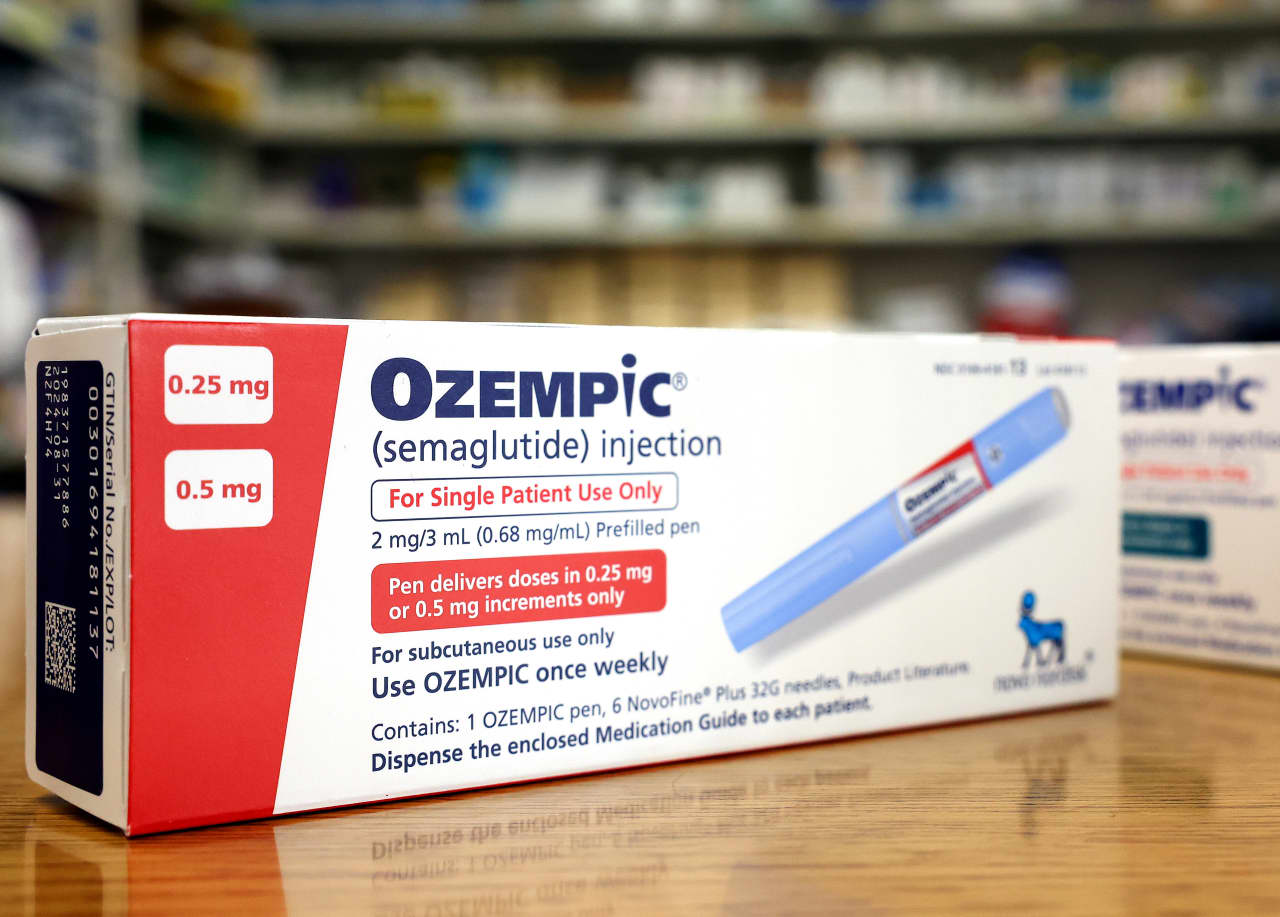
Some research suggests that GLP-1 drugs may raise the risk of a rare eye disease that causes full or partial vision loss.
The potential link between GLP-1 drugs, such as Ozempic, and a rare eye disease that causes vision loss is a concern for investors in the pharmaceutical industry. While the research is still in its early stages, it's essential to consider the possible implications on the market. GLP-1 receptor agonists, like Ozempic, have become increasingly popular for treating type 2 diabetes and obesity, with sales of these medications reaching billions of dollars.
The possibility of a rare eye disease associated with GLP-1 drugs could lead to increased scrutiny from regulatory bodies, potentially impacting the sales and market value of these medications. Pharmaceutical companies, such as Novo Nordisk, which manufactures Ozempic, may face additional costs related to monitoring and mitigating this risk. As a result, investors should keep a close eye on further research and regulatory developments related to GLP-1 drugs.
In the near term, investors should watch for updates on the ongoing research into the potential link between GLP-1 drugs and vision loss. Additionally, they should monitor regulatory actions, such as warnings or label updates, which could affect the market performance of pharmaceutical companies involved in the GLP-1 receptor agonist market. Any significant developments could impact the stock prices of these companies and influence the overall market dynamics.
Originally reported by marketwatch.com. FundingWire adds analysis for finance & markets readers.